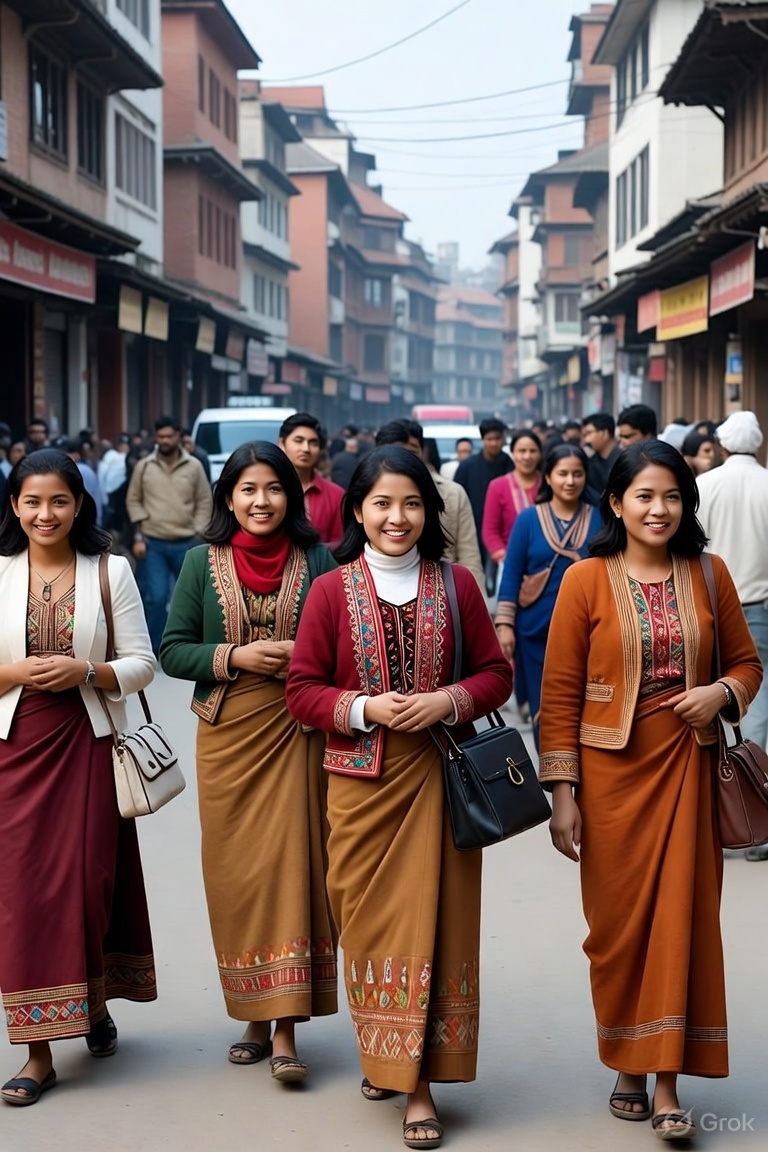
Khadi & the Local Handloom Legacy of Kathmandu
Discovering Nepal’s Handmade Fabrics, Dhaka Weaves, and the Khadi Connection
Long before fast fashion filled the racks of shopping malls, the hills and valleys around Kathmandu were home to a slower, quieter craft – the art of hand-spinning and hand-weaving cloth. Walk through the narrow lanes of Asan Bazaar or the courtyards of Bhaktapur today, and you will still find weavers working on wooden looms, producing fabric the same way their grandparents did. This tradition sits alongside – and is often compared to – India’s Khadi movement, a handspun cotton fabric that became a symbol of self-reliance and sustainable living. In this article, we explore both worlds: the philosophy and craft of Khadi, and the distinctly Nepali handloom traditions of Kathmandu, including Dhaka cloth, hemp fabric, and pashmina wool.
What Exactly Is Khadi?
Khadi refers to hand-spun, hand-woven natural fibre cloth, most commonly cotton, though it can also be made from silk or wool. It became internationally known during India’s independence movement, when Mahatma Gandhi promoted the spinning wheel (charkha) as a tool of economic self-sufficiency. Unlike mill-made fabric, Khadi is produced entirely by hand, from spinning the yarn to weaving the final cloth. This slower process gives Khadi a slightly uneven, textured surface, breathable weave, and a distinctive matte finish that machine-made fabric cannot replicate.
Because of the manual labour involved, Khadi tends to be more expensive than mass-produced cotton, but it supports rural artisans directly and uses far less energy and water in production. It is warm in winter and cool in summer, making it a practical choice across seasons – a quality that overlaps closely with Nepal’s own handloom fabrics.
Kathmandu’s Own Handmade Textile Traditions
While Khadi is an Indian term, Kathmandu and the wider Nepali valley have their own rich lineage of handmade cloth that shares the same values of craftsmanship, sustainability, and cultural identity. Three traditions stand out.
Dhaka Cloth
A brightly coloured, geometrically patterned cotton fabric woven on a traditional handloom called the “pedal loom.” Dhaka fabric is best known as the material used for the Dhaka topi, Nepal’s national cap, but it is now used for shawls, jackets, bags, and home décor as well.
Allo (Himalayan Nettle) & Hemp Fabric
Woven from the fibres of the Himalayan giant nettle or hemp plant, this fabric is naturally antibacterial, durable, and biodegradable. It has been used for centuries by hill communities in eastern Nepal and is gaining popularity internationally as an eco-conscious alternative to synthetic textiles.
Pashmina Wool
Made from the undercoat of Changthangi goats found in the high Himalayas, pashmina is hand-spun and hand-woven into some of the softest, warmest shawls in the world. Kathmandu is one of the largest export and retail hubs for genuine pashmina products.
Where to Find Authentic Local Cloth in Kathmandu
If you are visiting Kathmandu or sourcing textiles for resale, a few areas are known for genuine handmade fabric rather than mass-imported synthetic copies.
- Asan Bazaar: One of the oldest trading hubs in Kathmandu, where local cotton, wool, and Dhaka fabric merchants have operated for generations.
- Thamel: Popular with tourists, Thamel has numerous pashmina and hand-block-print cotton stores, though it is important to verify authenticity before purchasing.
- Bhaktapur and Patan: Known for traditional weaving communities still using wooden handlooms, particularly for Dhaka textiles.
- Cooperative Handicraft Centres: Government-supported cooperatives often sell verified handmade allo, hemp, and Dhaka products with fair-trade certification.
Why Choose Handmade Over Synthetic Fabric
Locally made cloth, whether Khadi, Dhaka, allo, hemp, or pashmina, offers several practical and environmental advantages over mass-produced synthetic textiles:
- Breathability: Natural fibres allow air circulation, keeping the wearer cool in summer and insulated in winter.
- Durability: Hand-woven fabric is typically tightly and carefully constructed, often outlasting machine-made equivalents.
- Low environmental impact: No electricity-intensive power looms, minimal chemical processing, and biodegradable raw materials.
- Support for artisans: Direct income for weavers and spinners, many of whom are women in rural or semi-urban households.
- Unique texture: Every piece has small irregularities that make it one-of-a-kind, unlike uniform factory output.
Khadi vs Local Kathmandu Fabrics: Quick Comparison
| Fabric | Origin | Material | Best Used For |
|---|---|---|---|
| Khadi | India | Cotton, silk, or wool | Kurtas, sarees, shirts |
| Dhaka Cloth | Nepal (Kathmandu Valley & eastern hills) | Cotton | Topi caps, shawls, jackets |
| Allo / Hemp | Eastern Nepal hills | Himalayan nettle or hemp fibre | Bags, jackets, eco-fashion |
| Pashmina | Nepal & Kashmir Himalayas | Cashmere goat wool | Shawls, scarves, stoles |
Caring for Handmade Cloth
Handmade fabrics need a little more attention than synthetic blends, but the extra care pays off in longevity.
- Hand wash in cold or lukewarm water using a mild detergent to preserve natural fibres.
- Avoid direct sunlight while drying, especially for Dhaka and pashmina, as prolonged UV exposure can fade natural dyes.
- Store folded rather than hung, to prevent stretching of the weave.
- Use a soft brush rather than a washing machine for wool-based pashmina products.
- Iron on a low, cotton-safe setting or steam gently rather than pressing directly.
Recommended Handmade & Khadi Products
If you would like to experience the comfort of hand-woven fabric at home, here are a few popular categories worth exploring:
Pure Khadi Cotton Kurta (Men)
Breathable, hand-woven cotton kurta ideal for daily wear and festive occasions.
Khadi Cotton Fabric (By the Metre)
Raw hand-woven Khadi fabric for tailoring shirts, kurtas, or home furnishing projects.
Pashmina Wool Shawl
Soft, warm hand-woven shawl inspired by traditional Himalayan pashmina craftsmanship.
Hemp Fabric Tote Bag
Durable, eco-friendly hemp bag, a modern nod to Himalayan natural-fibre weaving traditions.
Final Thoughts
Khadi and Kathmandu’s local handloom fabrics represent more than just clothing – they carry centuries of skill, cultural identity, and a quietly sustainable way of producing textiles long before “eco-friendly fashion” became a marketing term. Whether it is the humble spinning wheel behind Khadi or the wooden pedal looms behind Dhaka cloth, allo, and pashmina in the Kathmandu Valley, these fabrics offer a genuine alternative to synthetic, mass-manufactured clothing. Choosing handmade cloth supports artisan communities, reduces environmental impact, and brings home a piece of living heritage that a factory-made garment simply cannot replicate.